
Rites and practices
Saint Lucy and the cuccìa
The martyr of Syracuse who protects the eyes, the procession of the silver statue and a 13 December without bread or pasta: the boiled wheat that recalls a ship arriving during a famine.

Lucy, according to tradition, was a young Christian of Syracuse martyred in 304, during the persecution of Diocletian. Her Passio tells that she had given away her goods to the poor, that she was denounced by a rejected suitor and that she resisted every attempt to break her, until she was killed with a sword to the throat. Her cult spread throughout Christendom, and Dante placed her among the three blessed ladies who watch over him in the Comedy.
Protector of the eyes
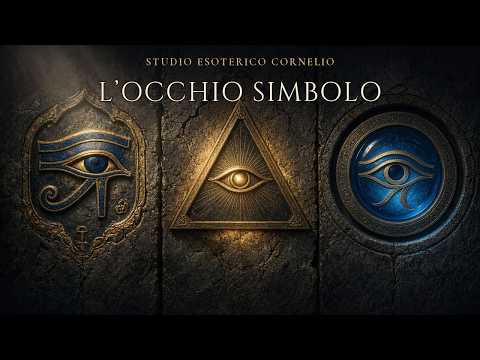
The name Lucy recalls light, and already in the Middle Ages the saint became the protector of sight. A late legend, absent from the Passio, tells that she tore out her eyes to give them to the suitor who admired them; this is why she is often shown with two eyes on a dish. In Sicily and Malta the operculum of a seashell, used as an amulet to protect sight and ward off the evil eye, is called St Lucy's eye.
The feast in Syracuse
On 13 December Syracuse carries in procession the saint's sixteenth-century silver statue, from the cathedral to the basilica of Santa Lucia al Sepolcro, built on the site of the martyrdom. It is accompanied by bearers in green berets and an immense crowd. The statue stays in the basilica for eight days and then returns to the cathedral in a second procession. A smaller feast in May recalls the return of some relics and the end of a famine.
The day without bread
On 13 December, in much of Sicily, neither bread nor pasta is eaten. In their place people eat cuccìa, boiled wheat, dressed with ricotta and honey or with pulses and oil, depending on the area. Tradition links it to a seventeenth-century famine: while the people prayed to the saint, on her feast day a ship laden with wheat entered the harbour. The people were so hungry that they did not wait to grind it, and boiled it. In Palermo the day has become a feast of indulgence, with arancine and panelle replacing bread.
Light on the darkest day
Before the calendar reform of 1582 the feast of St Lucy fell close to the winter solstice, the longest night of the year: hence the proverb "St Lucy, the shortest day there is". A saint of light on the darkest day is a symbol that has crossed Europe, down to the festivals of light in Sweden. In Sicily she remains linked to the eyes, to grain and to protection, like the amulets and like the grace of St Paul held by the ciarauli.
Watch the video
Sources and further reading
- Passio Sanctae Luciae (5th-6th c.)
- Jacobus de Voragine, Golden Legend, "Saint Lucy"
- G. Pitrè, Spettacoli e feste popolari siciliane (1881)
- Dante, Inferno II 97-108
- Deputazione della Cappella di Santa Lucia, Syracuse, materials on the feast
Read next

The “word”: secret prayers of Christmas Eve
Formulas for fright, for children's worms, for headaches and for the evil eye, which could be taught only at midnight on Christmas Eve: the secret knowledge of Sicilian women healers.
The ciarauli and the grace of Saint Paul
Men who handled snakes and healed bites thanks to a gift received from Saint Paul, the saint bitten by a viper on Malta: the tradition of the ciarauli between Sicily and Malta, with “Saint Paul's tongues”.
The Feast of the Dead
On the night between 1 and 2 November the dead come home and bring gifts to children: martorana fruit, sugar dolls, “bones of the dead”, hidden toys. The tenderest festival of Sicilian tradition.
